Creator Checkout
Let creators monetize anywhere: pay-what-you-want, tips, buyer messages, multi-currency, and an orchestration that just works.
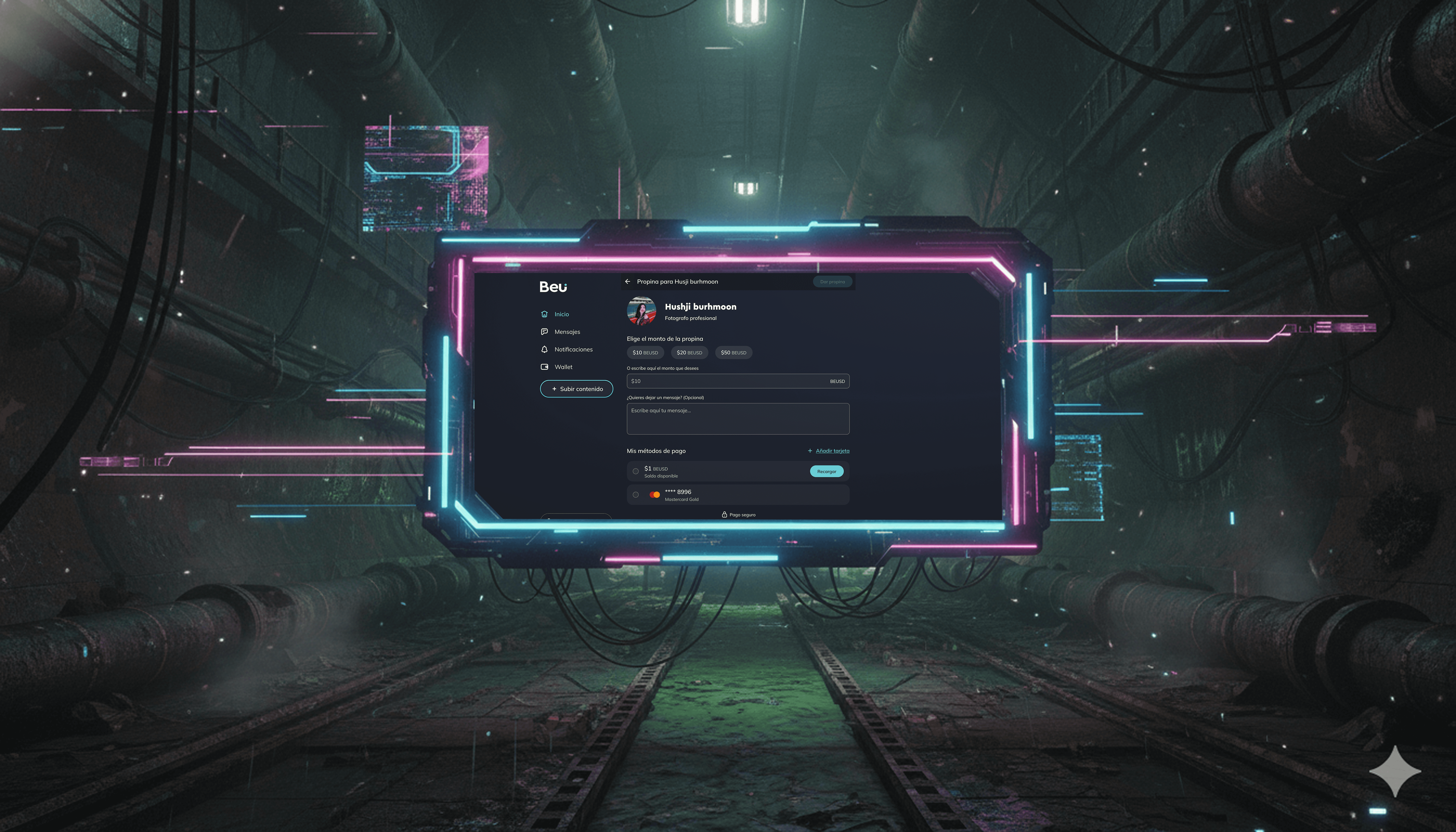
/// We turned Beu’s simple “file + one local provider” setup into a creator-centric checkout that works globally. I owned Product Design + Product Management: aligned with the CPO, defined the MVP, wrote the PRD, mapped the end-to-end flow with Engineering, and delivered a mobile-first experience (95% of purchases) that supports tips, pay-what-you-want, buyer messages, multi-currency, and provider orchestration. In parallel, we stood up a backoffice for routing, retries, disputes, and reconciliation—so operations could scale without hacks.
Role: Senior Product Designer / Acting PM — owner from discovery to handoff (PM owned post-launch measurement).
Opportunity framing & prioritization. Partnered with the CPO to size impact vs. effort and green-light the initiative; defined success metrics: native checkout adoption, decline rate, cost per transaction, multi-currency coverage, dispute resolution SLA, and reconciliation accuracy.
Stakeholder alignment. Ran working sessions with CEO/CFO/VPs, Engineering, and Support; kept a concise decision log with bets, trade-offs, and guardrails.
Research & synthesis. Led semi-structured creator interviews and support mining; consolidated pain points (tips, pay-what-you-want, buyer message, multi-currency) into a clear JTBD and problem statement.
MVP & PRD. Authored the PRD, defined scope and non-goals, acceptance criteria, and phased roadmap centered on a mobile-first flow (95% of purchases).
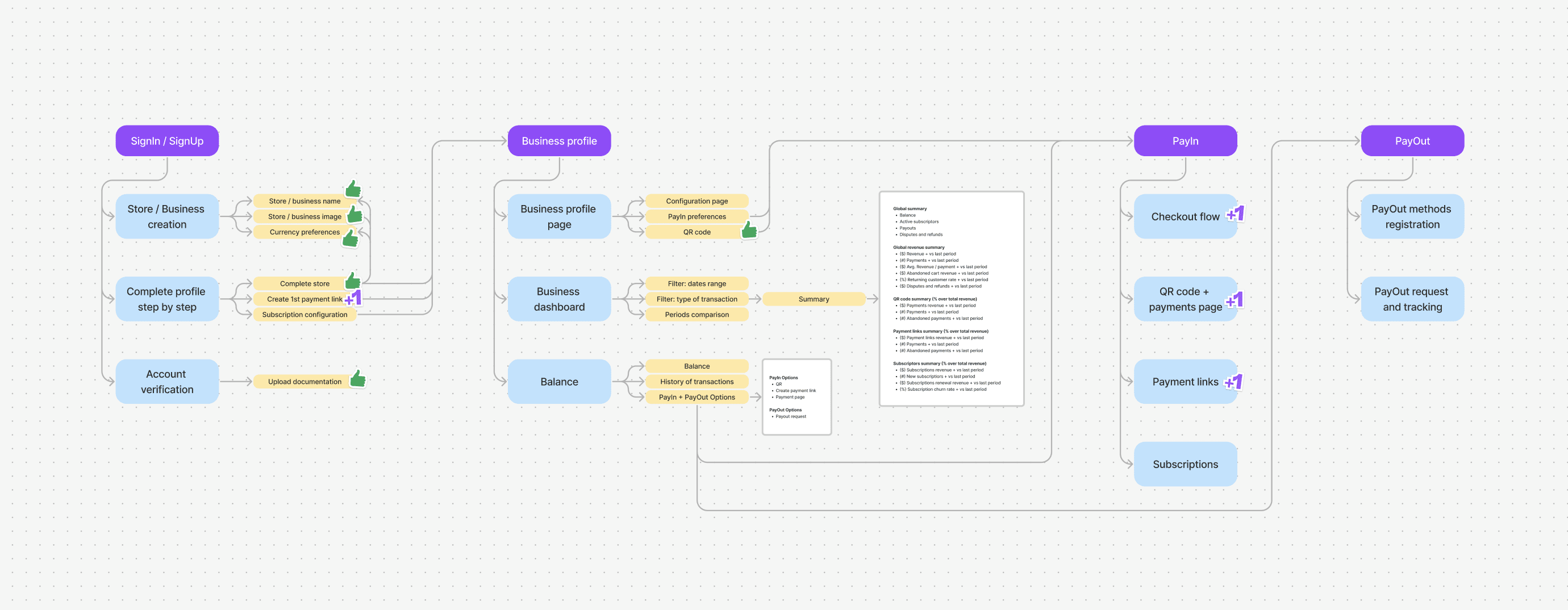
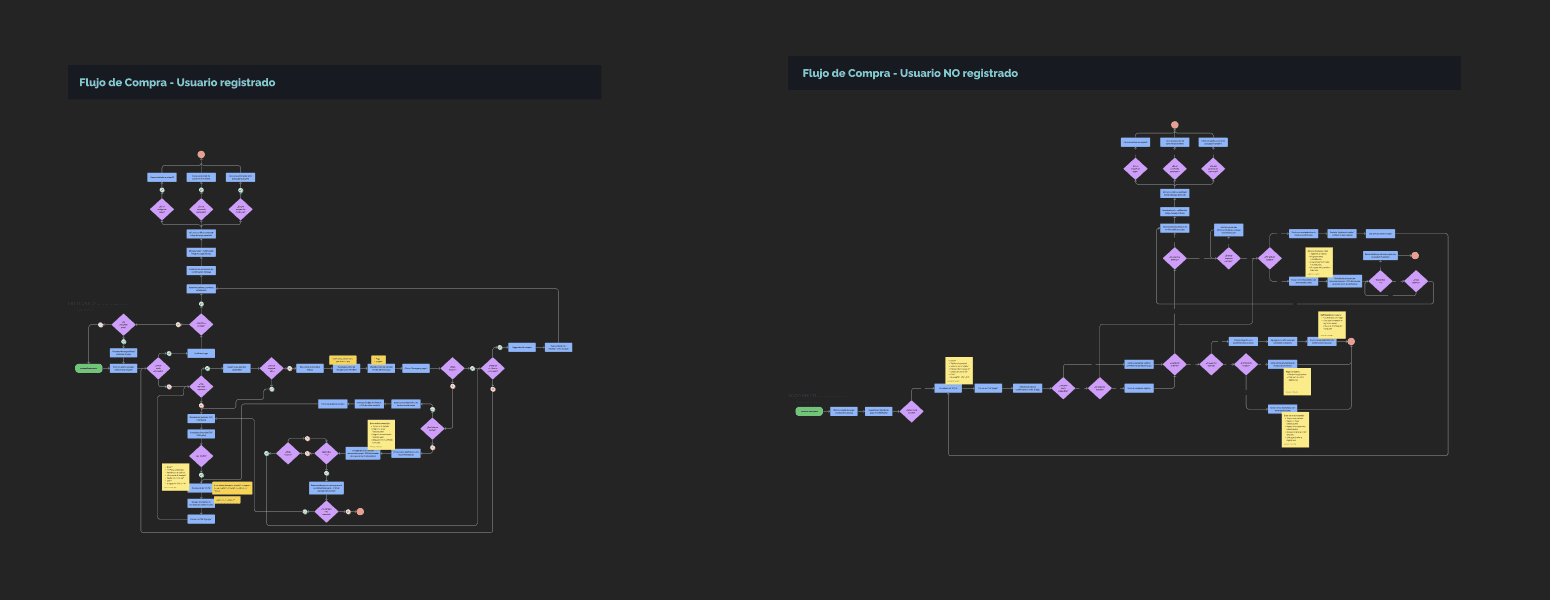
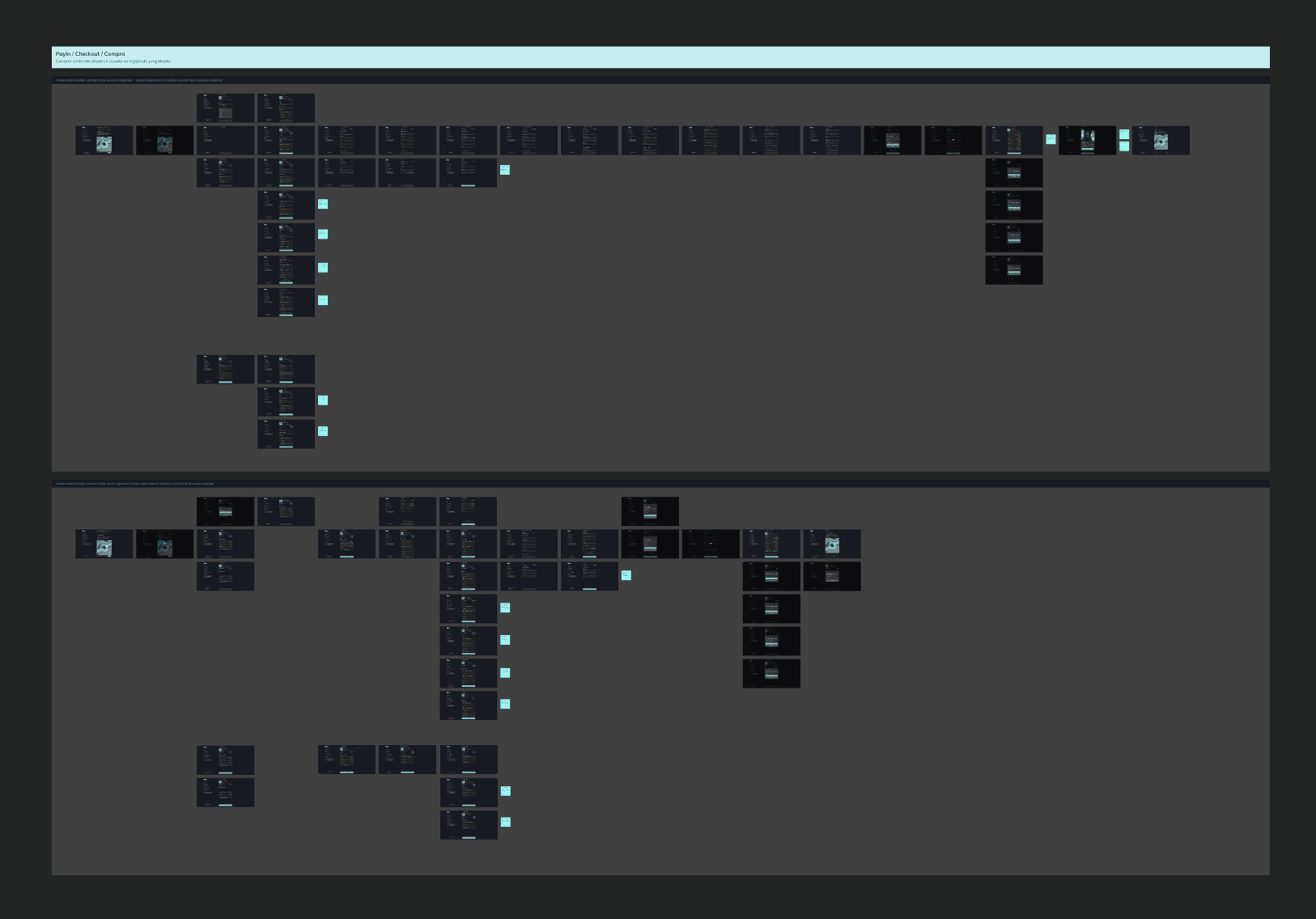
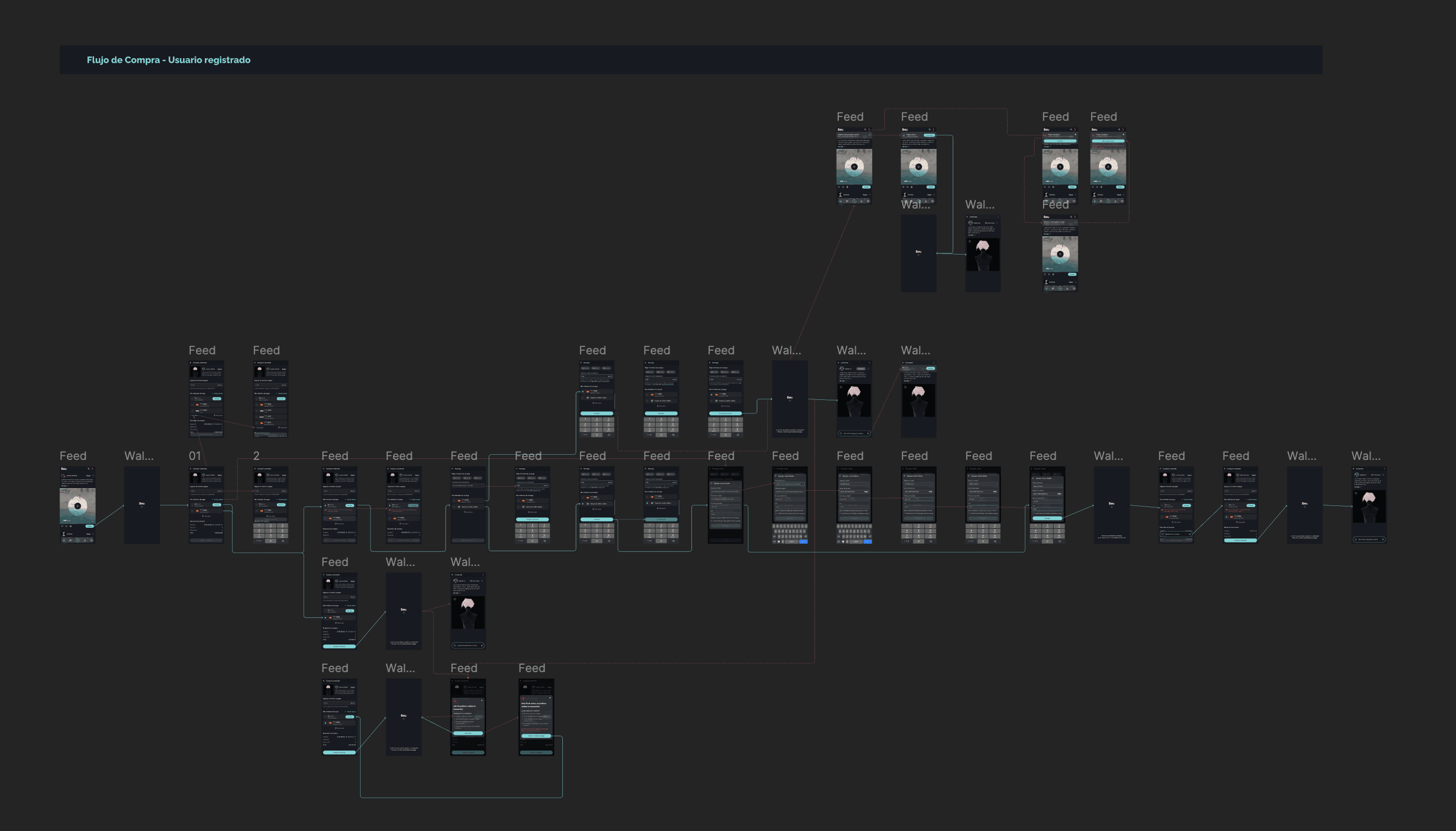
Flows, IA & edge cases. Mapped end-to-end buyer/creator flows, error paths, and border cases; aligned with Engineering to derisk architecture and dependencies.
Validation. Prototyped two mobile variants; ran Maze tests (both hit 100% task completion); chose the option that cut setup to 40–120s for high-volume creators.
High-fidelity delivery. Shipped design using our design system, full states, and responsive rules; prepared redlines and interaction specs.
Payment orchestration. Co-defined multi-provider strategy (≥3 providers per priority country), routing + retries, fallback behavior, and provider selection criteria.
Backoffice product (ops at scale). Spec’d tools for routing controls, refunds, disputes/evidence, settlements, and reconciliation dashboards; defined roles/permissions and workflows.
Analytics & instrumentation. Wrote the event schema (Mixpanel/Metabase) for the funnel—checkout_viewed → attempt → tip/PWYW → success → deliverable—plus disputes and settlements; set up dashboards for PM ownership post-launch.
Executable handoff. Delivered build-ready packages per workstream (flows/states, UI/API contracts, “can vary / never changes”, anti-patterns) to unblock parallel development (Backoffice & Provider Integrations).
Rollout support. Planned phased launch by country/provider with flags, runbooks, and monitoring; joined triage to ensure stability and quality.
/// Creators could list files, but the payment layer was fragile and local. In interviews and support threads, they asked for: tips, buyers choosing the price, leaving a message, and charging in multiple currencies because their audiences were global—yet our provider only settled in COP (Colombia). Many creators hacked around this by embedding external payment links inside Beu, leaking revenue and trust.
I acted as Senior Product Designer / PM. After sizing the opportunity with the CPO (business impact vs. effort), we prioritized the initiative. I socialized the plan with Tech, CFO, CEO, and VPs, committed to mobile-first, and used our new design system to move fast. We explored two mobile flows in Maze: both hit 100% task completion; the variant optimized for high-volume creators cut creation + configuration time to 40–120s, so we chose that path. In parallel, I spun up two build streams with Engineering: (1) Backoffice for checkout ops, (2) Provider integrations for cross-border coverage.
/// 908WRK
/// Creators couldn’t reliably monetize across borders. Buyers faced friction and currency mismatches; creators resorted to external links. Our single provider produced high declines (~60%), high fees, no real dispute process, and no reconciliation, creating operational risk and lost revenue.
/// HOW WE PROVED IT
Semi-structured interviews and support mining converged on the same asks (tips, pay-what-you-want, buyer messages, multi-currency). Product data showed 95% mobile purchases and leakage to external links. Baseline metrics were stark: ~60% of attempted charges were rejected by the lone provider; costs were materially higher than market. Maze tests on two mobile concepts delivered 100% task completion; shadowing sessions favored the flow that creators could configure in 40–120 seconds. Finance/ops confirmed the pain: disputes were largely unmanageable, and reconciliation was ad-hoc.
1) MVP that unlocks value fast.
A focused Creator Checkout with: tips, pay-what-you-want, buyer message, multi-currency pricing/settlement, and a clean mobile flow that minimizes steps and confusion.
2) Payment orchestration (country by country).
We integrated ≥3 providers per priority country and built routing + retries to reduce declines. This insulated creators from a single-provider failure and improved acceptance.
3) Backoffice for operations at scale.
Internal tools for routing controls, refunds, dispute handling, evidence submission, and settlement views—so support could resolve issues without engineering.
4) Reconciliation you can trust.
A reconciliation pipeline (with external partners where needed) that consistently hit ~99%—protecting treasury and shortening month-end closes.
5) Mobile-first UI with our design system.
We applied our new system to ship fast and keep the surface consistent: minimal steps, clear states, and a buyer journey that adapts across currencies and methods.
6) Product analytics wired from day one.
I defined tracking in Mixpanel/Metabase for the full funnel: checkout_viewed → payment_attempted → tip_added / pwyw_set → payment_succeeded → file_delivered, plus dispute/settlement events. This supported the PM’s post-launch measurement.

Alignment: worked directly with CPO on prioritization and scope; kept CEO/CFO/VPs in the loop with concise readouts.
PRD & decision log: documented rationale, constraints, and trade-offs; captured versioned decisions to keep squads unblocked.
Dual workstreams: coordinated Backoffice and Provider Integrations with clear interfaces and milestones.
Definition of done: UX quality bars (mobile-first, design-system fit), routing/settlement checks, dispute path verified, and analytics shipped.
Rollout: staged by country/providers with guardrails and monitoring so we could course-correct without regressions.
Adoption: creators moved from external links to 100% using our checkout.
Coverage: from COP-only to multi-currency—payments and settlements aligned with creator markets.
Cost: ~40% reduction in processing costs through orchestration.
Acceptance: declines dropped from ~60% → ~5% thanks to multi-provider routing.
Disputes: ~95% of disputes were now properly managed, reducing revenue loss.
Reconciliation: ~99% accuracy sustained, stabilizing treasury.
Business impact: a clear ARR lift of ~$1M, largely driven by word of mouth as creators promoted Beu as a cross-border monetization solution.